4 Periodontal Treatments From Your Dentist
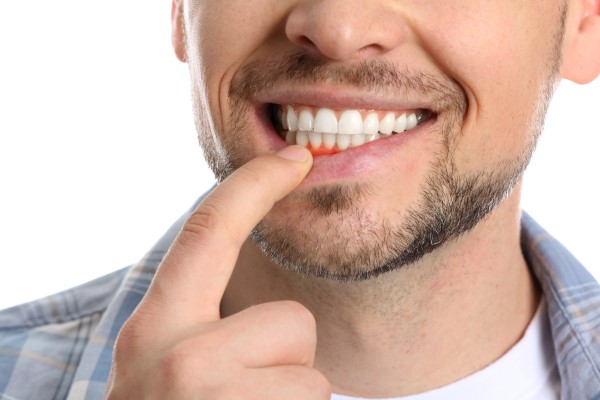
Gum disease is very serious, and without treatment, it can be detrimental to one's overall health. The severity of the infection determines the treatment options. When experiencing any signs of gum disease, it can be helpful to review the following information to prepare for what to expect from the treatment process.
Periodontal treatment for gum disease
Outlined below are four different gum disease treatment options that a general dentist may offer.
Deep dental cleaning
A deep dental cleaning is one of the most common periodontal treatment options used for gum disease. It is more intense than a routine dental cleaning with a hygienist. Instead of cleaning the teeth and gum line, the hygienist or dentist will go deeper beneath the gum pockets to ensure that plaque and tartar are removed. The removal of plaque and tartar can remove the infection and rid the mouth of the gum disease.
Scaling and root planing
Another periodontal treatment option for gum disease is scaling and root planing, which is another cleaning procedure performed by a general dentist. As the gums are pulled back to reach the infection, scaling and root planing can cause some discomfort, so medication may be administered.
Scaling involves the removal of any plaque or tartar from above and below the gum line through a scraping method. Root planing tackles gum disease differently by smoothing out rough areas of the roots of the tooth. These rough areas develop due to the infection reaching beneath the tooth and gums.
Oral rinses
Oral rinses, often prescribed by a general dentist, are a simpler but effective way to treat gum disease. When gum disease is in its early stages, the infection can usually be destroyed through oral rinses and improved oral hygiene. The dentist may often prescribe an oral rinse in conjunction with another periodontal treatment option, such as a dental deep cleaning. The rinse not only kills the infection but can also prevent it from recurring.
Surgical procedures
When gum disease reaches severe stages, it can cause irreversible effects, such as receding or deteriorating gums. In this case, the general dentist may recommend a more severe periodontal treatment, such as surgery. A gingivectomy involves removing dead areas of the gums. Once the decayed areas have been removed, a gingivoplasty may be recommended to reshape or contour the gum lines.
Get started with gum disease treatment
Gum disease treatment varies depending on the individual's needs. In order to determine the appropriate course of treatment, it is necessary to undergo a consultation with a dentist. The consultation will include an examination to identify how serious the infection is. Then, a treatment plan can be put in place, which will likely include one of the options listed above. Reach out to our Philadelphia office today to learn more or to schedule a consultation.
Request an appointment here: https://www.drannamarchenko.com or call Dental Office of Dr. Anna Marchenko at (215) 649-0222 for an appointment in our Philadelphia office.
Check out what others are saying about our dental services on Yelp: Gum Disease in Philadelphia, PA.
Related Posts
Laser dentistry is a modern practice used for a number of dental procedures, ranging from root canals to oral cancer screenings. One of the most common laser dentistry procedures is gum reshaping, which has grown in popularity for both cosmetic and restorative purposes. When gum reshaping is chosen for cosmetic purposes, patients are typically hoping…
A dental crown serves as a durable restoration for a compromised tooth, yet certain conditions can eventually cause it to fail. These caps provide essential protection for the underlying enamel and restore the ability to chew without discomfort. Therefore, identifying the early signs of wear helps patients protect their investment and maintain a healthy smile…
There are many ways to keep your teeth bright, white, and healthy. However, you may see unfamiliar stains or shades on your teeth, making them appear gray. Fortunately, a general dentist can evaluate gray teeth by identifying the root cause of the change.It is common for teeth to change color, and it does not always…
Dental bone grafts restore structure and strength to the jawbone. Not only does this enhance the natural appearance of the face, but it can also create a strong foundation for dental implants. There are several types of dental bone grafts that an oral surgeon may recommend. Exploring the various types available can better prepare patients…